We have discussed one of the biggest issues in investing: Most portfolios are far more connected than people realize.
Stocks may move together. Real estate holdings may move together. Even bonds sometimes struggle during the same economic environment. That creates a problem. If everything in your portfolio reacts to the same forces, then diversification may not work as well as you hoped.
So naturally, investors ask, “Where do I find investments that behave differently?” One answer is private equity.
Before proceeding, let’s define “private equity”. Many people hear the words “private equity” and imagine billion-dollar Wall Street firms buying giant companies. That does happen. But the broader world of private equity is much larger than that.
What Is Private Equity?
Private equity simply means investing in assets that are not publicly traded on a stock exchange. That is the key distinction. Public investments trade openly. Examples include:
- Publicly traded stocks
- Exchange traded funds (ETFs)
- Many bonds
Their reported prices constantly change, and liquidity typically allows for easy entry and exit.
Private investments do not trade openly every second. Examples include:
- Apartment syndications
- Private lending funds
- Small business investments
- Medical receivable funds
- Self-storage projects
- Mobile home parks
- Private companies
Instead of buying these investments through a normal brokerage account, investors usually participate through one of the following:
- Private funds
- Partnerships
- Syndications
- Direct ownership
The investments are often MUCH less liquid. That means investors usually cannot instantly sell them like they can a public stock. But in exchange, private investments sometimes offer different return streams, reduced correlation, and access to opportunities not available in public markets.
Why Private Equity Became Popular with Institutions
Large institutions discovered long ago that traditional portfolios had limitations. A portfolio made entirely of stocks, bonds, and cash could still experience large swings, especially during crises.
Large institutions began adding private investments. Over time, many pension funds, endowments, and family offices increased their exposure to private investments.
Why? Because they wanted:
- More diversification
- Additional income sources
- Lower correlation
- Potentially higher returns
This became especially important after investors realized that many supposedly diversified public assets still moved together during periods of panic.
Different Economic Engines
One reason private investments can behave differently is because they are often powered by different economic engines. For example:
A technology stock may depend heavily on:
- Investor sentiment
- Future growth expectations
- Interest rates
- Stock market momentum
A private lending fund may depend more on:
- Contractual cash flows
- Repayment structures
- Specialized business relationships
An apartment building may depend on:
- Occupancy
- Rent collections
- Local population growth
- Financing costs
A farmland investment may depend on:
- Crop yields
- Commodity prices
- Weather patterns
Different investments react to different pressures. This is the heart of diversification.
Why Private Equity Often Looks More Stable
One thing surprises many new investors. Private investments often appear much less volatile than public markets. There are a few reasons for this.
1. Prices Are Not Constantly Reposted
Public stocks trade every second. Private investments usually do not. A privately owned apartment complex does not get repriced every eleven seconds like a technology stock. That naturally creates smoother reported values.
2. Cash Flow Matters More
Many private investments focus heavily on income generation. For example:
- Rent collections
- Loan repayments
- Lease income
- Contractual cash flow
When investors receive consistent income, they often feel less pressure to react emotionally.
3. Investors Cannot Panic-Sell Easily
This may sound strange, but lower liquidity can sometimes help investors. Remember, liquidity means how quickly something can be converted into cash. Public stocks can usually be sold instantly. A private investment often cannot.
At first, that sounds like a disadvantage… but there is another side to it. During a market panic, public investors can sell with one click. Many do. Private investors usually cannot react instantly.
That forced patience sometimes protects investors from emotional mistakes. Ironically, one reason some private investments appear more stable is because investors physically cannot overreact every afternoon.
Why Haven’t Most People Heard About This?
This is one of the most interesting questions about investing. If institutions have used private investments for decades, why are so many individual investors still heavily concentrated in public markets? There are several reasons.
Access Was Historically Limited
For many years, private investments were difficult to access. Opportunities often stayed inside wealthy networks, institutional circles, investment firms, or family offices.
Minimum investments were often very high. Some funds required $250K to $1 million for a minimum investment.
The Investments Were Complicated
Private investments often involve:
- Legal documents
- Operating agreements
- Partnership structures
- Tax filings
- Long timelines
Compared to clicking “Buy” on a stock app, private investing can feel intimidating. Many people simply avoid what they do not understand.
Financial Media Focuses on Public Markets
Turn on financial television. What do you usually see?
- Stock tickers
- Interest rates
- Market crashes
- Daily headlines
Public markets dominate financial media because they change constantly. Private investments move more slowly. They are less dramatic. And less drama usually means less television coverage.
Public Markets Are Easier to Package
Large investment companies built enormous businesses around public market investing, such as:
- Mutual funds
- Index funds
- Brokerage accounts
- Retirement accounts
These systems became highly efficient and accessible, and highly regulated. That was good in many ways as millions of people gained access to investing. But it also meant most investors stayed heavily concentrated in the same broad public markets.
Many Investors Confuse Familiarity with Safety
This is critical. People often assume something is safer simply because it is familiar. Most people recognize the S&P 500, Apple stock, or major banks. This is influenced by the extensive media coverage of these topics.
Fewer people understand:
- Private credit
- Litigation finance
- Specialty lending
- Niche real estate strategies
As a result, unfamiliar investments can feel riskier. Sometimes they are riskier; sometimes they are simply less familiar. That distinction matters.
Private Equity Is Not Magic
At this point, it is important to stay realistic. Private equity is not a perfect solution. And it is definitely not risk-free. Private investments can still fail. Some risks include:
- Illiquidity
- Poor management
- Fraud
- Excessive leverage
- Bad underwriting
- Economic downturns
Due Diligence is the process of identifying and evaluating risk before making an investment. A poorly managed private investment can lose substantial money. In some cases, investors may lose everything. That is why due diligence matters. Sophisticated investors spend enormous amounts of time evaluating:
- Management teams
- Business models
- Track records
- Legal and financial structures
- Cash flows
- Downside risks
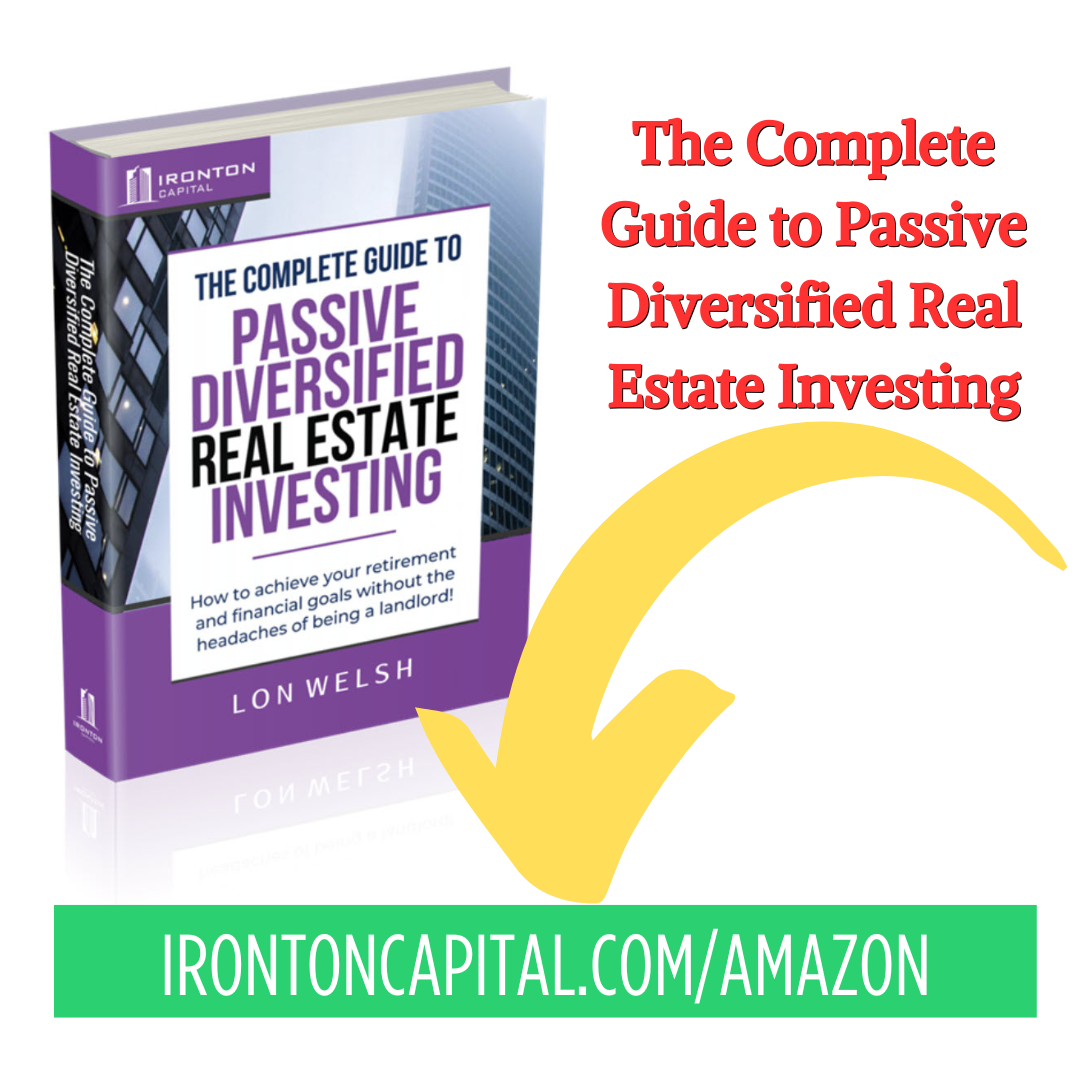
Please see our book on The Complete Guide to Passive Diversified Real Estate Investing for checklists and interview questions on due diligence and your financial team of advisors. IrontonCapital.com/amazon
Why Diversification Inside Private Equity Matters Too
Another common mistake is assuming all private investments are automatically diversified. They are not. Private investments can still become highly concentrated.
For example, an investor may own five apartment syndications, in the same city, with similar debt structures, all depending on rising rents.
That portfolio may appear diversified. But economically, the investments may still behave very similarly. True diversification requires different drivers of return. Not simply different investment names.
The Goal Is Better Portfolio Behavior
The real purpose of private equity is often misunderstood. Many people hear about higher returns and focus only on performance. But sophisticated investors usually think more broadly. They want portfolios that:
- Survive downturns
- Generate income
- Reduce emotional stress
- Avoid excessive dependence on public market swings
In other words, they care about portfolio behavior—not just maximum upside. That is an important distinction.
A Useful Analogy
Imagine building a sports team. A team made entirely of quarterbacks probably will not perform very well, even if every quarterback is talented. Strong teams need players with different skills.
Investing works similarly. A portfolio filled entirely with highly correlated assets may look impressive during boom years. But during difficult periods, weaknesses become visible quickly. Adding different types of investments can create balance.
Why Some Investors Sleep Better
One hidden benefit of diversified private investments is psychological. Investors who receive steady income from multiple sources often feel more calm during public market volatility. That emotional stability matters. Successful long-term investing usually depends less on brilliance and more on consistency. The investors who survive difficult periods often outperform the investors constantly chasing excitement.
Final Thoughts
Private investments are not inherently better than public investments. They are simply different.
Not every private investment succeeds. Private investing absolutely requires careful research.
The goal is not to replace stocks, bonds, or other traditional investments. The goal is to understand whether adding assets with different economic drivers can create a portfolio that is more diversified, more resilient, and less dependent on any single market outcome.
That is the real lesson. Smart, successful diversification is not about owning more investments. It is about owning investments that behave differently when conditions change, and that respond differently to the world.
That is one reason sophisticated investors continue searching for non-correlated opportunities. Portfolios built from multiple economic engines are often more resilient over long periods of time.
Our Investor Relations team has set aside some time for you if you would like to see if our MTI is right for you. Go to IrontonCapital.com/icanalysis to choose your best time for your free portfolio analysis.